

ATF Expands M855 Exemption to Projectile Cores: What Changed
Published: August 3, 2026 at 1:50 PM MST
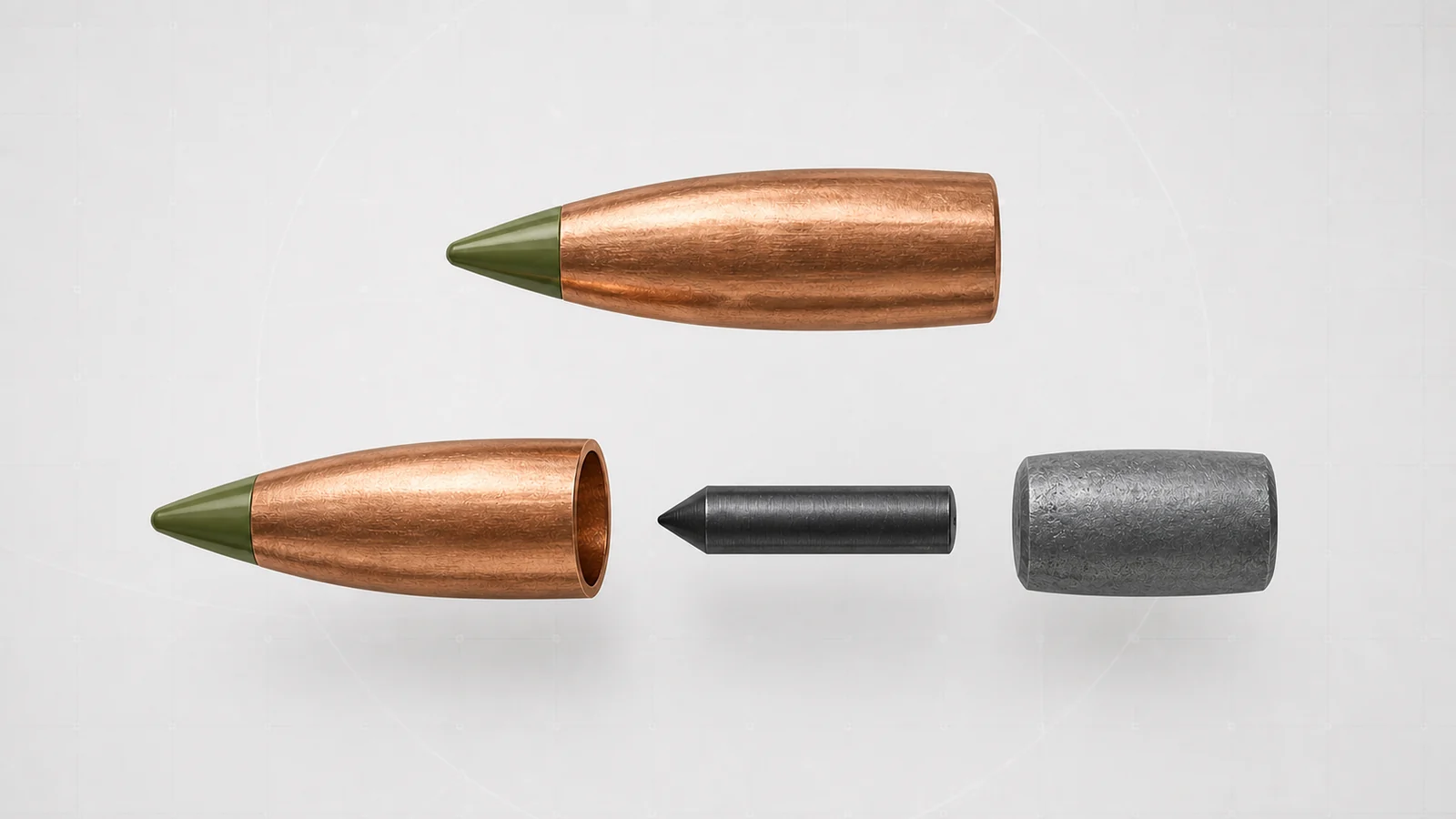
Editorial illustration created for Gun Place. Not documentary photography.
Updated August 3, 2026: The Bureau of Alcohol, Tobacco, Firearms and Explosives has expanded the longstanding federal sporting-purpose exemption for SS109/M855 ammunition to include the projectiles and projectile cores used in those cartridges. The change affects how qualifying components are treated under federal law, but it does not create a blanket exemption for every steel-containing projectile.
ATF published Ruling 2026-1 on July 2 after its approval on June 15. The agency now says qualifying SS109/M855 cartridges, projectiles, and projectile cores may be manufactured, imported, sold, or delivered under the Gun Control Act provisions generally applicable to ammunition.
For ammunition manufacturers, component sellers, retailers, and consumers, the most important point is also the easiest to miss: complete M855 cartridges were already exempt. The 2026 ruling changes the treatment of the qualifying projectile and core before they become part of a completed cartridge.
The M855 projectile exemption changes component status
Federal law defines “armor piercing ammunition” in part by the construction and potential handgun use of a projectile or projectile core. The statute separately permits the Attorney General to exempt a projectile found to be primarily intended for sporting purposes. The current language appears in 18 U.S.C. § 921(a)(17).
ATF first exempted completed SS109/M855 cartridges in 1986 after finding that they were primarily intended for sporting purposes. The agency nevertheless continued to treat an unassembled SS109/M855 projectile or core as subject to the federal restrictions governing armor-piercing ammunition.
Ruling 2026-1 reverses that component-level distinction. ATF concluded that the statutory sporting-purpose analysis applies to a projectile itself and that limiting the exemption to a complete cartridge was inconsistent with the language of the law. The agency therefore included qualifying SS109/M855 projectiles and their cores within the existing exemption.
Why complete M855 ammunition was already exempt
M855 is a 5.56×45mm cartridge commonly identified by a green-painted projectile tip, although color alone should never be used to determine a cartridge’s construction or legal classification. ATF’s ruling describes the SS109/M855 design as using a steel penetrator forward of a lead core.
The agency’s 1986 decision cited the cartridge’s intended use in military and civilian rifle competition, as well as the development of commercial rifle barrels suited to the loading. ATF says the sporting popularity of AR-type rifles chambered for this ammunition has grown substantially since then.
Readers comparing commercial chamberings can review Gun Place’s explanation of the differences between .223 Remington and 5.56 NATO. That chambering discussion is separate from the federal projectile-classification question addressed in the new ruling.
What ATF Ruling 2026-1 means in practice
The most direct effect is greater federal clarity for businesses handling qualifying SS109/M855 components. Under the ruling:
- Qualifying completed cartridges, projectiles, and projectile cores are outside the specific restrictions in 18 U.S.C. § 922(a)(7) and (8).
- Those components may be manufactured, imported, sold, and delivered under the Gun Control Act rules generally applicable to ammunition.
- The previous ATF determinations that limited the exemption to complete cartridges are superseded.
The restrictions being displaced are significant. Sections 922(a)(7) and (8) generally limit the manufacture, importation, sale, and delivery of armor-piercing ammunition to specified government, export, testing, and experimental circumstances.
Component availability could improve over time if manufacturers and distributors respond to the new classification. However, the ruling does not guarantee lower prices, increased production, or immediate inventory changes. Those outcomes depend on manufacturing capacity, contracts, demand, and the broader conditions discussed in Gun Place’s 2026 ammunition-market overview.
What the ruling does not change
Ruling 2026-1 is specific. It should not be read as a general declaration that every projectile containing steel or another listed metal is exempt. A different projectile, core construction, intended use, or cartridge may receive a different federal classification.
The ruling also does not erase state or local restrictions. Jurisdictions may regulate ammunition, components, shipping, possession, or sales differently from federal law. Sellers and buyers must still evaluate the laws that apply to their location and transaction.
Nor does the ruling newly legalize complete M855 cartridges at the federal level; those cartridges had been covered by the sporting-purpose exemption since 1986. The new development is the extension of that treatment to the corresponding qualifying projectile and core.
Finally, the decision is a classification ruling, not a safety instruction. Anyone lawfully reloading ammunition should follow published component-manufacturer data, observe established safety practices, and confirm that every component is appropriate for the intended cartridge and firearm. Gun Place’s beginner’s guide to reloading safety and legal considerations provides a non-instructional overview of those responsibilities.
Why ATF revisited the policy
ATF said the reconsideration followed a Department of Justice review of firearms regulations and prior classifications. The ruling also cites Executive Order 14206, which directed the Attorney General to examine federal actions affecting Second Amendment rights. DOJ and ATF previously announced a broader package of firearms regulatory reforms in April 2026.
Whatever the policy context, the operative reasoning in Ruling 2026-1 is statutory: ATF concluded that the sporting-purpose exemption applies to the projectile and should not have been confined to the completed cartridge.
What ammunition buyers should watch next
Businesses will now determine whether and how to expand lawful production and distribution of qualifying components. Buyers may see new product listings or changed availability, but should verify exact manufacturer descriptions rather than assuming that “green tip,” “steel core,” “SS109,” and “M855” are interchangeable labels in every listing.
ATF could also issue additional guidance if industry questions arise about documentation or whether a particular component falls within the ruling. Gun Place will monitor the agency’s firearms rulings and update this coverage if the federal interpretation changes.
For now, the bottom line is narrow but meaningful: ATF preserved the decades-old federal exemption for complete SS109/M855 cartridges and extended it to their qualifying projectiles and projectile cores. It is a component-classification change—not a universal exemption for ammunition containing steel.
This article is for general informational purposes and is not legal advice. Firearm and ammunition laws vary by jurisdiction and can change. Consult the relevant authorities or a qualified attorney regarding a specific transaction or legal question.
Sources
- ATF Ruling 2026-1: Exemption of SS109/M855 Projectiles and Projectile Cores
- ATF Firearms Rulings index
- 18 U.S.C. § 921
- 18 U.S.C. § 922
- DOJ and ATF regulatory reforms announcement
Gun Place newsroom policies: Editorial Policy · Corrections · Ownership & Funding · Editorial contact.
