

ATF Dual-Use Firearm Parts Proposal Nears August 6 Deadline
Published: August 4, 2026 at 8:10 AM MST
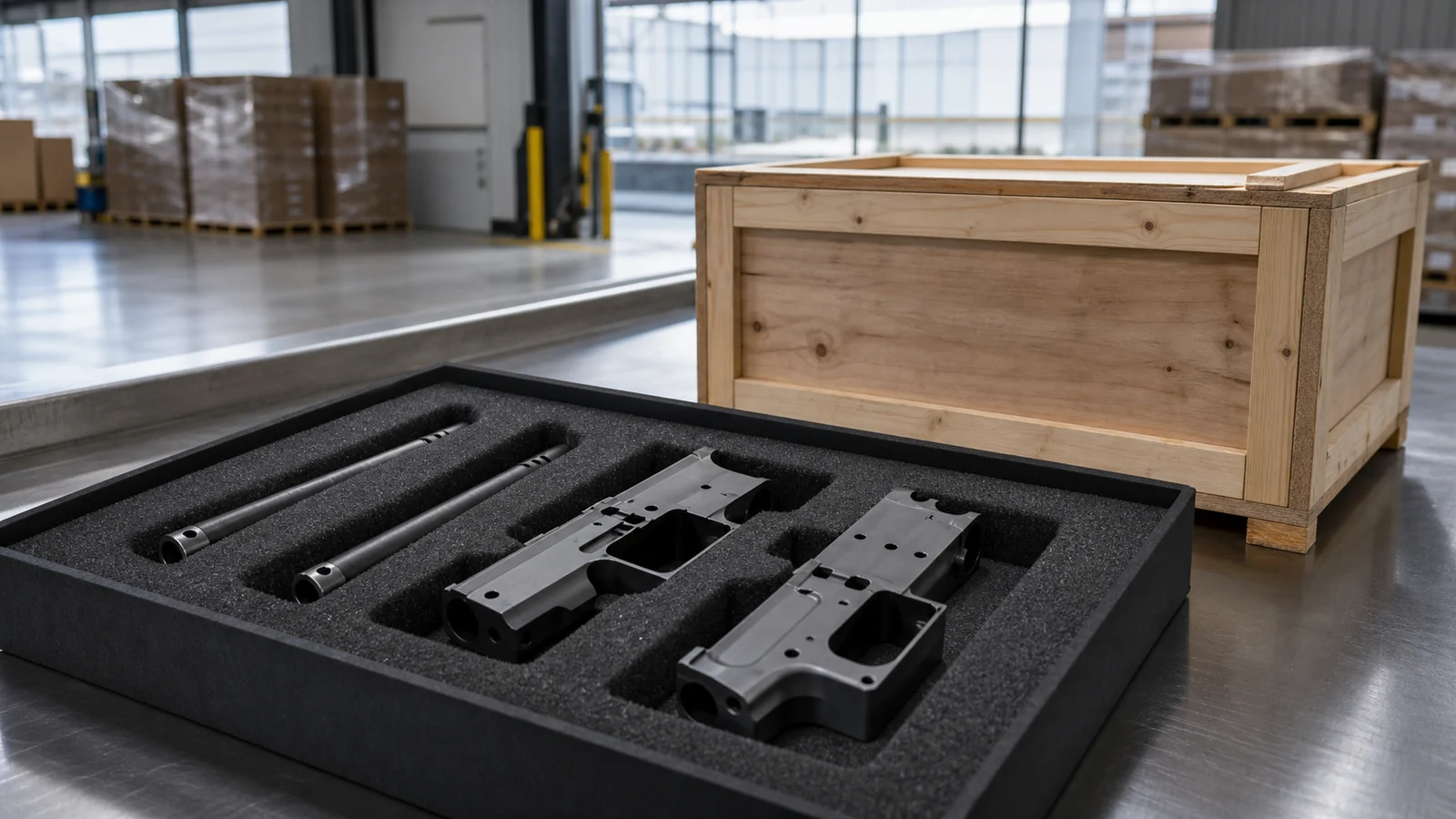
Editorial illustration created for Gun Place. Not documentary photography.
Updated August 4, 2026: A federal proposal that could broaden lawful imports of certain firearm frames, receivers, and barrels is approaching its public-comment deadline. The Bureau of Alcohol, Tobacco, Firearms, and Explosives will accept written comments through August 6, 2026.
The ATF dual-use firearm parts rule is not final and does not immediately change what may be imported. If adopted, however, it would establish a clearer regulatory test for components capable of use in both sporting and non-sporting firearm configurations.
That distinction matters to licensed importers, domestic manufacturers that source components abroad, retailers, and consumers who may ultimately see changes in parts availability. The proposal also illustrates why readers must separate a pending rule from current law—especially while ATF is considering several firearms regulations on overlapping timelines.
What the ATF dual-use firearm parts rule would change
ATF published the notice of proposed rulemaking on May 8 under Docket No. ATF-2026-0070 and RIN 1140-AA96. According to the official Federal Register notice, a frame, receiver, or barrel could qualify for import when an identified sporting firearm configuration exists for that component at the time of importation.
The proposed analysis would focus on what the component can lawfully be used to make, rather than automatically disqualifying it because it previously came from—or also fits—a non-sporting, military-surplus, or National Firearms Act firearm. ATF says modern firearm modularity has made dual-use components a significantly larger part of the market than they were two decades ago.
The proposal would also clarify that a qualifying component, once lawfully imported, may be used in a sporting, non-sporting, or NFA-regulated firearm only when the resulting assembly complies with all other applicable federal laws.
How the proposal builds on ATF Ruling 2025-1
The agency is not starting from a blank page. ATF Ruling 2025-1 already applies a similar test to dual-use barrels. That ruling reversed an older approach that treated a barrel’s prior use on a non-importable firearm as a reason to deny importation, even when the same barrel could be used in an identified sporting configuration.
The new proposal would codify that barrel interpretation in federal regulations and extend the same reasoning to frames and receivers. ATF says it found no statutory basis for treating those three component categories differently because Congress addressed frames, receivers, and barrels together in the relevant import provision.
This proposal is separate from ATF’s recently closed training-round import proposal and from the agency’s M855 projectile-core exemption ruling. Each action concerns a different legal definition or import pathway and has its own status and effective date.
What federal law would still restrict
The proposed rule would not create a general exemption from federal firearm-import or assembly laws. The underlying statute, 18 U.S.C. 925(d)(3), ties import eligibility to firearms generally recognized as particularly suitable for or readily adaptable to sporting purposes and restricts frames, receivers, or barrels of firearms that would be prohibited if assembled.
In addition, 18 U.S.C. 922(r) continues to regulate domestic assembly of certain semiautomatic rifles and shotguns from imported parts. NFA requirements would also remain applicable where relevant. State and local restrictions are unaffected by the federal proposal.
In practical terms, import approval for an individual component would not automatically authorize every possible use of that component. Importers and manufacturers would still need to evaluate the complete transaction, intended configuration, licensing requirements, and all applicable federal, state, and local rules.
Why the proposal matters to the firearm supply chain
ATF describes the rule as deregulatory. The agency expects qualifying importers could gain access to more foreign sources of frames, receivers, and barrels, while some domestic manufacturers could have more component-sourcing choices. That could eventually affect availability, replacement-part options, production schedules, and competitive pricing.
Those outcomes are not guaranteed. A proposed rule can change before it is finalized, and actual market effects would depend on individual import applications, foreign supply, manufacturing demand, logistics, and compliance costs. ATF also acknowledges that domestic companies specializing in components could face additional competition and specifically requests information about that possible effect.
What ATF is asking commenters to address
ATF is seeking feedback on whether the proposal is clear, how it could be easier to understand, and what costs or benefits it may create. The agency is particularly interested in evidence from importers and domestic manufacturers about sourcing, expenditures, business practices, and effects on companies that primarily make or sell frames, receivers, or barrels.
Comments must identify RIN 1140-AA96 and be submitted or postmarked by August 6. ATF recommends the federal e-rulemaking portal and warns that submitted comments are generally posted publicly. Commenters should review the privacy instructions in the official notice before including personal or proprietary information.
What happens after August 6
Closing the comment period will not make the proposal effective. ATF must review relevant submissions and decide whether to issue a final rule, revise the proposal, or take no further action. Any final rule would identify its own effective date and could differ from the text now under review.
For now, licensed businesses should continue following current import rules and existing ATF guidance. Consumers should not assume the proposal immediately authorizes new products or configurations. Gun Place will track the docket and report any final action or significant revision.
This article provides general information and is not legal advice. Firearm importation, assembly, and possession can involve overlapping federal, state, and local requirements. Consult qualified counsel or the appropriate authorities for guidance about a specific situation.
Sources
- ATF: Importing Dual-Use Frames, Receivers, or Barrels
- Federal Register, 91 FR 25192
- ATF Ruling 2025-1
- 18 U.S.C. 925
- 18 U.S.C. 922
Gun Place newsroom policies: Editorial Policy · Corrections · Ownership & Funding · Editorial contact.
